

Meet the visionaries: next-generation innovators revolutionising AI
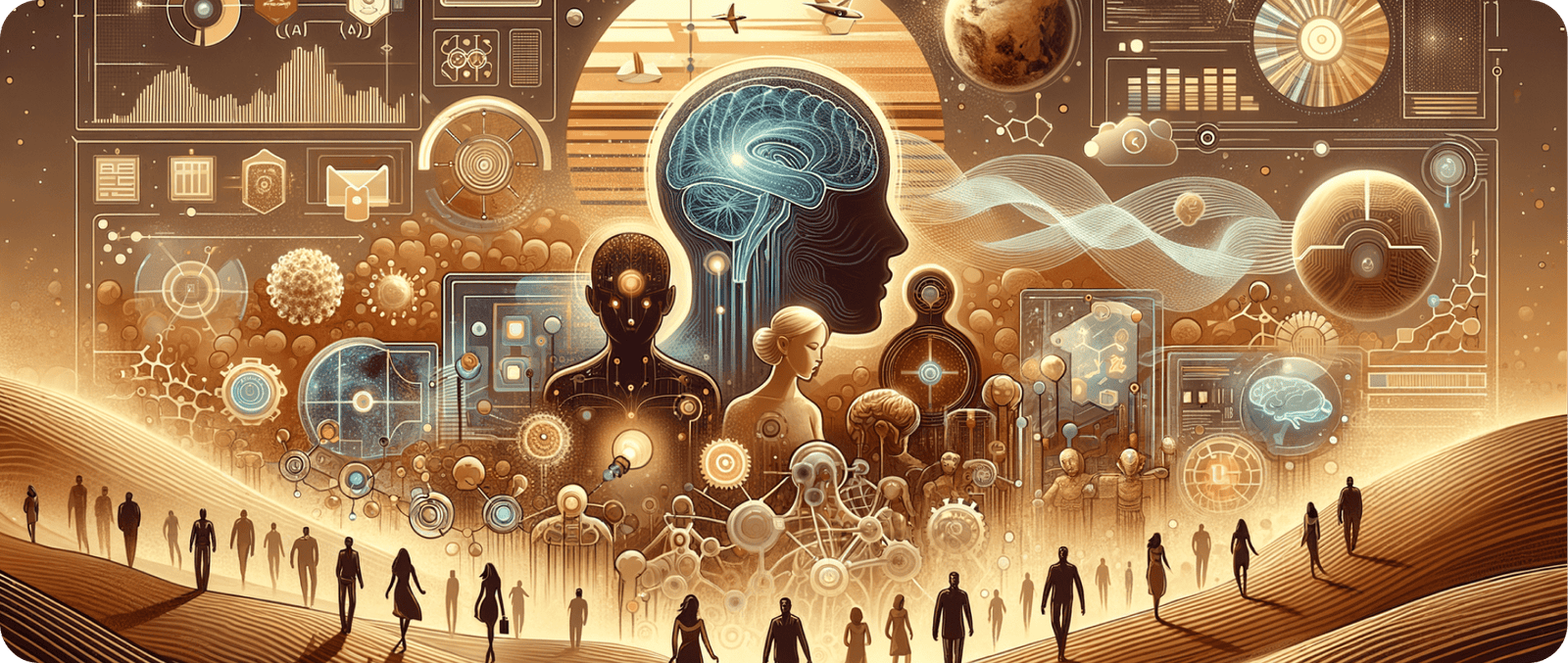
In the blink of an eye, artificial intelligence has evolved from a distant concept into a revolutionary force that is reshaping our world. As the technology accelerates at an unprecedented pace, a new generation of brilliant minds is emerging, pushing the boundaries of what we once thought possible in AI. These next-generation innovators are not only changing technology; they are also redefining human potential.
The rise of the next generation of AI innovators
The artificial intelligence landscape is no longer dominated by established tech giants. Today, a diverse and dynamic group of young innovators is driving unprecedented change. This new wave of talent is emerging from a perfect storm of factors: democratised education, global connectivity and unprecedented access to cutting-edge technologies.
Universities and online platforms are breaking down traditional barriers and enabling dedicated people from all over the world to learn and contribute to AI development. Open-source platforms, collaborative research networks and international hackathons are creating ecosystems in which innovation thrives regardless of geographical or institutional boundaries.
Profiles of influential visionaries
Dr Maya Rodriguez, a 28-year-old AI researcher, is revolutionising machine learning in healthcare. Her groundbreaking neural network algorithms can now predict complex disease progressions with an accuracy of over 90%, potentially saving millions of lives. Rodriguez comes from the field of computational biology and has shown how interdisciplinary approaches can produce transformative solutions.
Kai Chen, a specialist in quantum computing and AI integration, is another outstanding innovator. At just 32 years of age, he is developing hybrid AI systems that can process information exponentially faster than conventional computing models. His work builds a bridge between theoretical quantum mechanics and practical applications of artificial intelligence, opening up new frontiers in computational capability.
Emma Thompson, an advocate of ethical AI and a computer scientist, is doing pioneering work in the development of responsible AI. Her research focuses on developing transparent and unbiased machine learning models, dispelling critical concerns about algorithmic discrimination and ensuring that AI technologies do justice to humanity.
Revolutionary projects and technologies
These visionaries are not merely putting forward theories; they are implementing groundbreaking technologies. Rodriguez’s AI for healthcare is being integrated into hospital systems worldwide, while Chen’s quantum AI models are attracting the attention of major technology companies and research institutions.
Thompson’s work has led to the development of comprehensive AI ethics guidelines that are now being reviewed by international technology bodies. Her framework provides a blueprint for developing AI systems that are not only powerful, but also fundamentally aligned with human values.
Impact on industry and society
The impact of these innovations goes far beyond technical achievements. In healthcare, AI enables personalised treatment plans and the early detection of diseases. The financial sector uses these technologies for more accurate risk assessments and fraud prevention. Educational platforms use adaptive learning systems that can tailor the curriculum to the individual needs of pupils.
However, these advances also raise critical ethical questions. How can we ensure that these powerful technologies remain beneficial and do not further exacerbate existing social inequalities? The next generation of AI innovators is actively engaging with these complex philosophical and practical challenges.
Future outlook
When we look to the future, these visionaries are in a position to accelerate the development of AI in ways we can scarcely imagine. Possible developments include more sophisticated natural language processing, advanced robotics with improved emotional intelligence and AI systems capable of finding complex creative solutions to problems.
Many challenges remain, including concerns about data protection, the displacement of jobs and the potential misuse of advanced technologies. But these innovators’ commitment to ethical development gives real hope for a future in which AI complements human capabilities rather than replacing them.
Conclusion
The next generation of AI innovators stands for more than technological progress – they embody a holistic vision of progress that reconciles technological capabilities with human values. By supporting their work, questioning their ideas and staying informed, we can all help to shape an AI-powered future that is both remarkable and human.
These visionaries remind us that technology unfolds its full power when it serves humanity’s deepest aspirations. The AI revolution is here, and it is more human than we ever imagined.


